



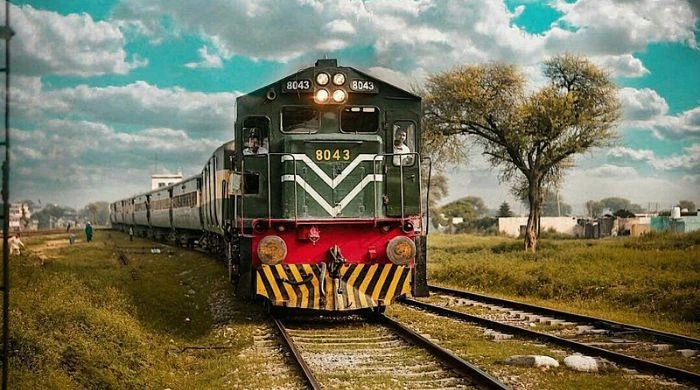
Pakistan Railways cancelled 11 trains scheduled to depart from Karachi for major cities including Peshawar, Rawalpindi, Islamabad, Lahore and Multan, citing technical and operational reasons. The abrupt decision left thousands of passengers stranded at railway stations, many of whom had already arrived to begin their journeys.
Travellers waited for hours at stations hoping the services would resume, but many were eventually forced to return home after receiving no clear timeline for when the trains would run again.
Passengers face inconvenience and uncertainty
The sudden cancellations caused widespread frustration among passengers, particularly those travelling long distances during the busy travel period. Many complained about the lack of prior notification and limited assistance at stations, which added to the confusion.
Some travellers reported difficulties in rebooking tickets or obtaining refunds, further aggravating the situation. The disruption also affected families and workers who rely on the rail network for affordable intercity travel.
Operational challenges behind the disruption
Officials say the cancellations reflect deeper problems facing Pakistan Railways, including technical faults, shortages of operational locomotives, and limited spare parts. These issues have forced the railway administration to reduce the number of active trains on key routes.
Financial constraints have also limited maintenance and fleet upgrades, worsening reliability across the rail network.
Wider impact on transport and freight
Beyond passenger inconvenience, the ongoing disruptions are also affecting rail freight services, which are critical for transporting goods across the country. Delays in cargo movement have created additional challenges for businesses that rely on railways for cost-effective logistics.
Analysts say repeated cancellations highlight the need for structural reforms and investment in railway infrastructure to restore reliability and public confidence in the system.
Growing pressure for reforms
Pakistan Railways has faced persistent operational and financial challenges for years, including aging locomotives, outdated infrastructure and funding shortages. The latest wave of cancellations has renewed calls for reforms aimed at modernising the network and improving management efficiency.
For passengers across the country, however, the immediate concern remains simple: whether scheduled trains will actually run on time.