

After nearly a full day of intense negotiations in Islamabad, the United States and Iran walked away without a deal, the 21-hour marathon talks, seen as a critical step toward turning a fragile ceasefire into lasting peace, ended in deadlock. Yet despite the outcome, Pakistan emerged from the process with growing diplomatic recognition.
A Marathon That Ended Without Agreement
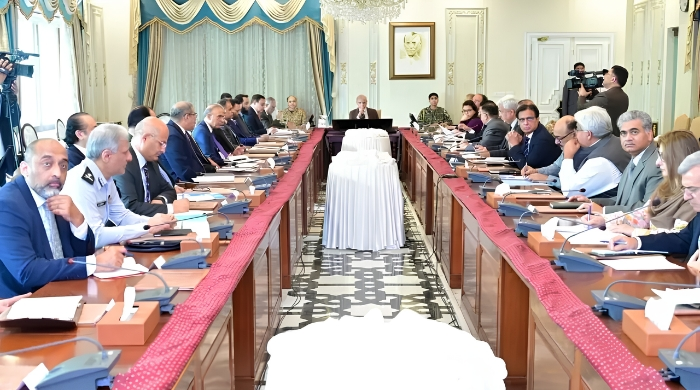
The high-stakes talks, held under Pakistan’s mediation, brought US and Iranian officials face-to-face in one of the most significant diplomatic engagements in decades.
But after 21 hours:
- No final agreement was reached
- Key differences remained unresolved
- Both sides blamed each other for the breakdown
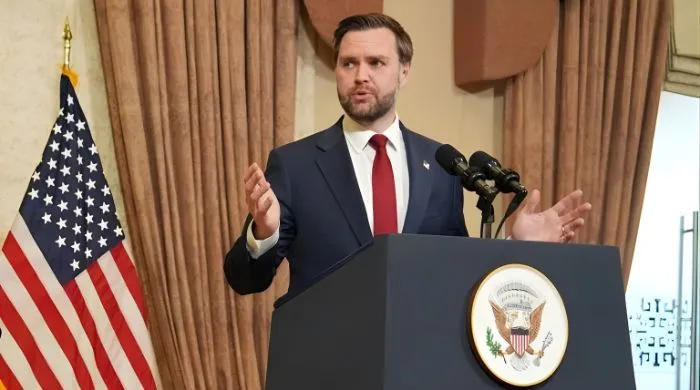
US Vice President JD Vance acknowledged the outcome, stating plainly that no agreement had been achieved after the long negotiations.
Why the Talks Failed
At the heart of the deadlock were deep, long-standing disagreements, especially over Iran’s nuclear program.
- The US demanded firm guarantees that Iran would not pursue nuclear weapons
- Iran resisted these conditions, calling them unrealistic
- Trust between both sides remained low
These gaps proved too wide to bridge, even after hours of direct engagement.
Pakistan’s Role Gains Recognition
While the talks did not produce a deal, Pakistan’s role as host and mediator was widely appreciated.
Officials from both sides acknowledged:
- Pakistan’s efforts in bringing the parties together
- Its role in facilitating dialogue during a tense period
- Its contribution to maintaining the ceasefire framework
Foreign Minister Ishaq Dar emphasized that Pakistan would continue supporting dialogue and urged both sides to uphold the ceasefire.
A Fragile Ceasefire Still in Place
Despite the failed negotiations, the two-week ceasefire remains active, for now.
However:
- The absence of a deal puts the truce at risk
- Military tensions remain high
- Any violation could quickly escalate the conflict again
The talks were meant to stabilize the situation, but instead highlighted how fragile peace still is.
What Happens Next?
Even without a breakthrough, the door to diplomacy is not completely closed.
- Both sides have signaled that dialogue could continue
- Pakistan is expected to remain involved as a facilitator
- Global powers are urging further negotiations
The next steps will determine whether this was a temporary setback or the beginning of a longer diplomatic process.
A Diplomatic Win Without a Deal
Interestingly, while the talks failed to reach an agreement, they succeeded in something else: positioning Pakistan as a serious diplomatic player on the global stage.
Hosting such high-level negotiations:
- Showcases Pakistan’s strategic importance
- Strengthens its global diplomatic standing
- Reinforces its role as a bridge between conflicting powers
Conclusion
The Islamabad talks may have ended without a deal, but they were far from meaningless. In a region on edge, even dialogue is progress. As tensions remain high and the ceasefire hangs in the balance, Pakistan’s role as mediator could prove crucial in shaping what comes next. Whether peace follows or conflict returns, one thing is clear: the world is watching.