



Pakistan has been ranked the most polluted country in the world in 2025, according to a new global air quality report, highlighting the scale of the country’s worsening environmental crisis.
PM2.5 Levels Far Above Safe Limits
The report, compiled by Swiss air quality monitoring firm IQAir, found that Pakistan’s average concentration of PM2.5 particles—fine pollutants that penetrate deep into the lungs—was up to 13 times higher than the safe limits set by the World Health Organization (WHO).
These particles are primarily generated from vehicle emissions, industrial activity, construction dust, and biomass burning, all of which contribute to deteriorating air quality across major urban centers.
Major Cities Among the Worst Affected
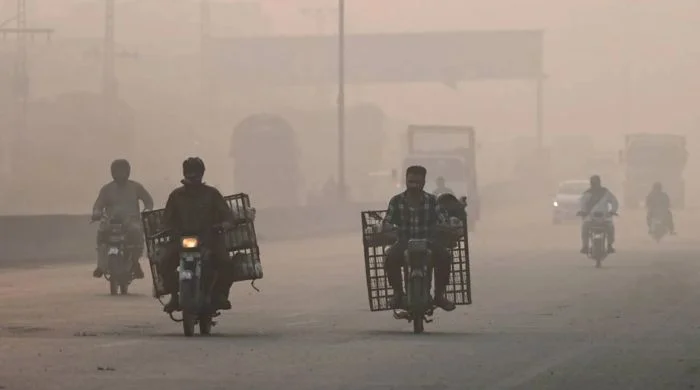
Cities such as Karachi, Lahore, and Hyderabad recorded consistently high pollution levels throughout the year. In Karachi, air quality readings crossed unhealthy thresholds, posing risks especially to sensitive groups.
Lahore and other Punjab cities continue to experience severe smog episodes, particularly during the winter months when weather conditions trap pollutants close to the ground.
Regional Pollution Concentration
The report noted that the top 25 most polluted cities globally were concentrated in South Asia and China, with countries like India, Pakistan, and China dominating the rankings.
Bangladesh and Tajikistan ranked second and third among the most polluted countries, indicating that the broader region continues to face severe air quality challenges.
Global Trends and Data Gaps
Despite Pakistan’s worsening position, some global progress was observed. A limited number of countries managed to meet WHO air quality standards in 2025, although the overall percentage of clean-air cities declined.
The report also highlighted challenges in data collection after the shutdown of certain international monitoring programs, which may have affected rankings in some regions.
Health and Environmental Implications
High levels of PM2.5 are linked to serious health risks, including respiratory diseases, heart conditions, and premature deaths. The findings reinforce concerns about Pakistan’s long-term public health outlook if pollution levels remain unchecked.
What This Means Going Forward
The ranking marks a significant deterioration compared to previous years, where Pakistan was already among the most polluted countries, but not at the top.
The data underscores the urgent need for stronger environmental policies, better urban planning, and stricter emissions control to address a problem that continues to intensify each year.