



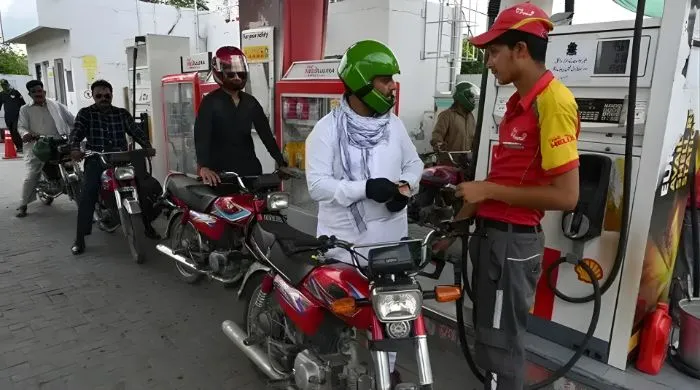
Pakistan has rolled out one of the sharpest fuel price increases in its history, pushing petrol to Rs458 per litre and high-speed diesel (HSD) to Rs520 per litre, as global oil markets remain under intense pressure.
A Sudden and Severe Price Jump
The latest revision is not a routine adjustment. Petrol prices surged by over Rs137 per litre, while diesel jumped nearly Rs184 per litre in a single move.
This scale of increase signals a shock correction, not gradual pricing. Within a short span, fuel costs have reached record levels, directly impacting households and businesses.
What’s Driving This Spike
The primary trigger is the ongoing Middle East conflict, which has disrupted global oil supply chains and pushed crude prices higher.
Key factors include:
- Volatility in international oil markets
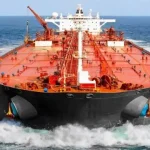
- Disruptions in major shipping routes like the Strait of Hormuz
- Increased import costs for oil-dependent economies
Pakistan, heavily reliant on imported fuel, has limited room to absorb these external shocks.
Government Strategy: Limited Relief, No Broad Subsidies
Instead of wide-scale subsidies, the government is focusing on targeted relief measures.
These include:
- Subsidies for motorcyclists with capped usage
- Support for the transport and agriculture sectors
- Assistance aimed at public transport systems
This shift reflects fiscal constraints. Broad subsidies are no longer viable at this scale of price increase.
The Real Impact: Inflation Will Rise
Fuel prices don’t stay isolated. They feed into everything.
This increase will likely:
- Push transport costs higher
- Raise food prices due to logistics costs
- Add further pressure on already high inflation
There’s no buffer here. The impact will be immediate and widespread.
Bigger Picture: Structural Exposure
This is the second major hike in a short period, highlighting a deeper issue: Pakistan’s dependence on imported energy.
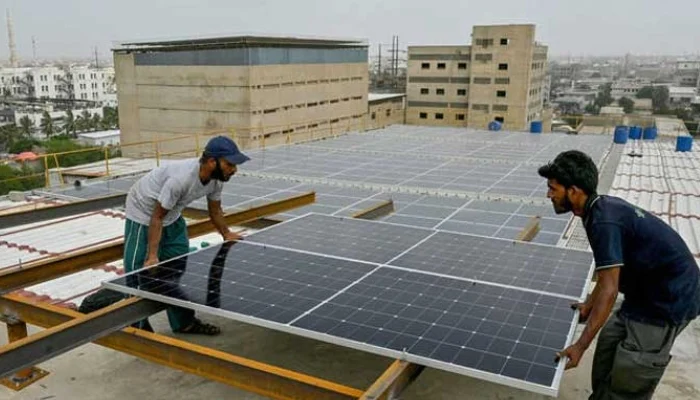
When global oil prices surge, the domestic economy absorbs the full impact. Without structural changes in energy sourcing, this cycle is likely to repeat.
What Comes Next
If global conditions remain unstable, further price adjustments remain on the table.
This isn’t a one-off spike. It’s a reflection of how exposed Pakistan is to global energy markets, and right now, those markets are volatile.