





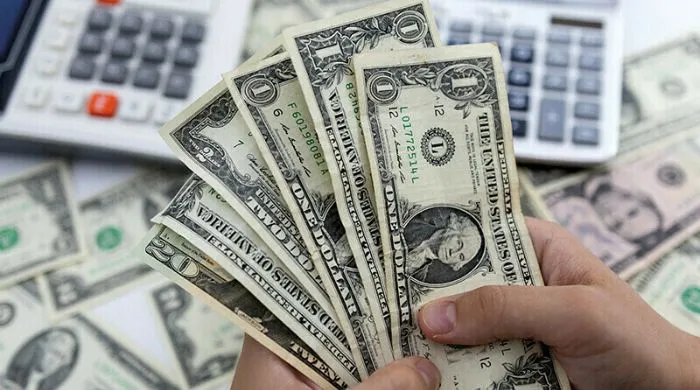
Pakistan’s central bank has revealed the scale of one of its biggest financial stabilization efforts in recent years. The State Bank of Pakistan (SBP) disclosed that it purchased nearly $27 billion from the local currency market over the past three and a half years, a move aimed at rebuilding the country’s fragile foreign exchange reserves and strengthening economic stability.
A Massive Reserve-Building Operation
The purchases were made gradually through the domestic foreign exchange market as dollar inflows improved.
According to SBP:
- Around $27 billion was absorbed over 3.5 years
- The strategy helped rebuild foreign exchange reserves
- It was part of a broader effort to stabilize Pakistan’s external sector
The move highlights how aggressively the central bank has worked behind the scenes to avoid another balance-of-payments crisis.
Why SBP Was Buying Dollars
Pakistan’s reserves had fallen to dangerously low levels during the economic crisis of 2023.
At one point:
- Reserves dropped below levels needed for even a month of imports
- Debt repayments and import bills created severe pressure
- Concerns about default intensified
To counter this, SBP began purchasing surplus dollars entering the market through:
- Worker remittances
- Export earnings
- Improved inflows into the banking system
How the Strategy Helped Pakistan
The dollar-buying strategy played a major role in improving Pakistan’s financial position.
It helped:
- Increase foreign exchange reserves
- Support the rupee during volatile periods
- Ensure timely external debt repayments
- Improve confidence in the economy
Officials say the reserve recovery would not have been possible without consistent market intervention.
But There’s a Catch
While the reserve buildup improved stability, it also raised concerns.
Economists argue:
- Heavy dollar buying kept pressure on the rupee
- The reserves still depend heavily on external support
- A large portion of reserves comes from friendly-country deposits
This means Pakistan’s reserve position, although stronger than before, remains vulnerable.
Pakistan’s Reserve Recovery Story
The country’s financial position has changed dramatically since 2023.
- Reserves were below $3 billion during the crisis
- IMF support and foreign inflows helped stabilize the situation
- SBP reserves have since climbed above $16 billion
The recovery is being presented as proof that tighter monetary management is beginning to work.
What Happens Next?
The central bank says reserve accumulation efforts will continue.
Future targets include:
- Further strengthening reserve buffers
- Reducing pressure on external accounts
- Maintaining economic stability amid global uncertainty
However, experts say long-term sustainability will depend on:
- Higher exports
- Increased investment
- Lower reliance on borrowed inflows
Conclusion
The SBP’s purchase of $27 billion over the past three and a half years reveals the scale of Pakistan’s economic recovery effort. While the strategy has helped stabilize reserves and avoid deeper financial turmoil, it also highlights how delicate the country’s external position remains. The reserves may be stronger, but the challenge now is turning temporary stability into lasting economic strength.


