



Uncertainty is once again clouding diplomatic efforts between the United States and Iran. While Washington is pushing for another round of negotiations, Tehran has yet to confirm its participation, highlighting a growing disconnect between the two sides at a critical moment.
Talks Hang in the Balance
Plans for a new round of discussions are underway, but Iran has not committed to joining.
Officials indicate:
- No final decision has been made on attending talks
- Internal consultations are still ongoing
- Conditions for engagement remain under review
This hesitation is creating uncertainty around whether the next phase of diplomacy will even begin.
Washington Stays Firm
At the same time, the United States has shown little willingness to adjust its position.
The current approach includes:
- Continued pressure over Iran’s nuclear program
- No immediate relief from sanctions
- Clear warnings tied to the outcome of negotiations
This firm stance signals that Washington expects major concessions before moving forward.
Why Iran Is Holding Back
Iran’s cautious approach reflects deeper concerns beyond just negotiations.
Key factors include:
- Lack of trust in US commitments
- Concerns over ongoing pressure tactics
- Skepticism about the fairness of the proposed conditions
For Tehran, entering talks without changes on the ground may offer little benefit.
A Fragile Diplomatic Window
The situation comes at a time when tensions remain high, and room for error is limited.
- A temporary pause in hostilities is still in place
- The risk of escalation has not disappeared
- Any delay in dialogue increases uncertainty
Without meaningful engagement, the fragile calm could quickly give way to renewed tensions.
Pakistan’s Role Under Pressure
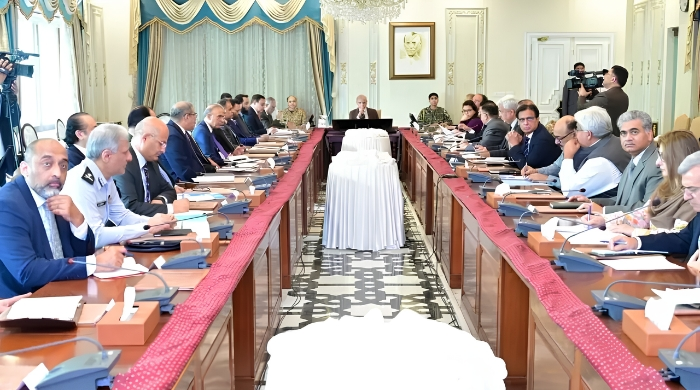
As a host and facilitator, Pakistan continues to play a key role in keeping communication channels open.
However:
- Progress depends on both sides agreeing to engage
- Delays could weaken ongoing mediation efforts
- The success of diplomacy now hinges on participation
Even so, Islamabad remains one of the few platforms where dialogue is still possible.
Global Implications of the Stalemate
The impact of stalled talks extends far beyond bilateral relations.
- Energy markets remain sensitive to developments
- Key trade routes in the region are under scrutiny
- International observers are closely watching the outcome
The longer uncertainty continues, the greater the ripple effects across global systems.
What Comes Next?
The immediate future depends on whether Iran decides to step into negotiations.
If talks proceed:
- A path toward de-escalation could reopen
If not:
- Tensions may rise again
- Diplomatic options could narrow further
The next move from Tehran will be crucial.
Conclusion
With Iran yet to decide and the United States holding firm, diplomacy stands at a crossroads. The opportunity for dialogue still exists, but it is becoming increasingly fragile. Whether this moment leads to renewed talks or deeper divisions will depend on decisions made in the days ahead.