






In a rare moment of diplomatic progress, the United States and Iran have agreed to a temporary ceasefire under a framework shaped with Pakistan’s involvement. After weeks of escalating conflict and global anxiety, this two-week truce is being seen as a crucial window for dialogue and de-escalation.
A Breakthrough After Weeks of Tension
The conflict between the US, Iran, and regional actors had reached a dangerous tipping point, with threats of large-scale strikes and widening war.
At the last moment, both sides agreed to:
- A two-week ceasefire
- A pause in major military operations
- A shift toward negotiations instead of escalation
This sudden turn has been described as a critical step toward avoiding a broader regional war.
Pakistan’s Role: Quiet Diplomacy, Big Impact
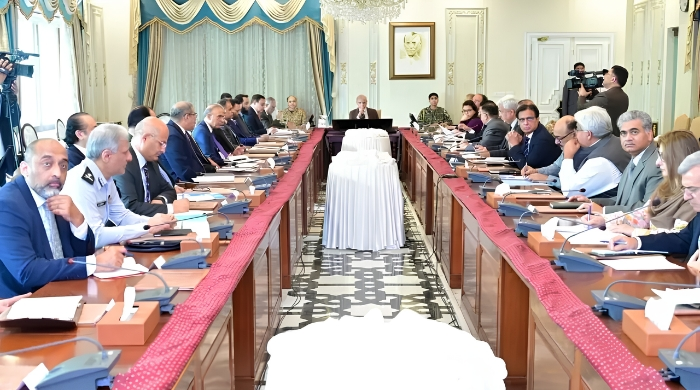
Behind the scenes, Pakistan played a key mediating role by proposing a structured ceasefire plan.
The framework included:
- An immediate halt in hostilities
- A negotiation window to finalize a long-term agreement
- Plans for talks to take place in Islamabad
This positioned Pakistan as a central diplomatic bridge between Washington and Tehran.
Why the Strait of Hormuz Matters
One of the core elements of the agreement is the reopening of the Strait of Hormuz, one of the world’s most critical oil routes.
- A large portion of global oil passes through this corridor
- Any disruption impacts fuel prices worldwide
- The ceasefire includes guarantees for safer passage
This move alone has major global economic implications.
A Fragile Peace—Not the End of War
Despite the agreement, both sides have made it clear: this is not a permanent peace deal.
- Iran has stated that the war is not over
- Military readiness remains high
- Violations could quickly restart hostilities
Even after the announcement, reports of continued tensions and alerts show how fragile the situation remains.
Global Reactions and Impact
The ceasefire has triggered cautious optimism across the world:
- Oil prices reacted positively with a drop
- Global markets showed signs of relief
- Countries welcomed the de-escalation
However, analysts warn that the real test lies in whether negotiations during these two weeks lead to a lasting agreement.
What Happens Next?
The next phase is critical.
- Talks are expected to move forward, possibly in Islamabad
- Both sides will attempt to finalize a broader peace deal
- Pakistan may continue acting as a mediator
If successful, this could mark a turning point, not just for the conflict, but for Pakistan’s diplomatic role globally.
Conclusion
The US-Iran ceasefire agreement is more than just a pause in fighting; it’s a moment of opportunity. With Pakistan playing a central role in shaping the framework, this development highlights the country’s growing importance in global diplomacy. But with tensions still simmering, the coming days will determine whether this is the beginning of peace or just a brief pause before the storm.


